



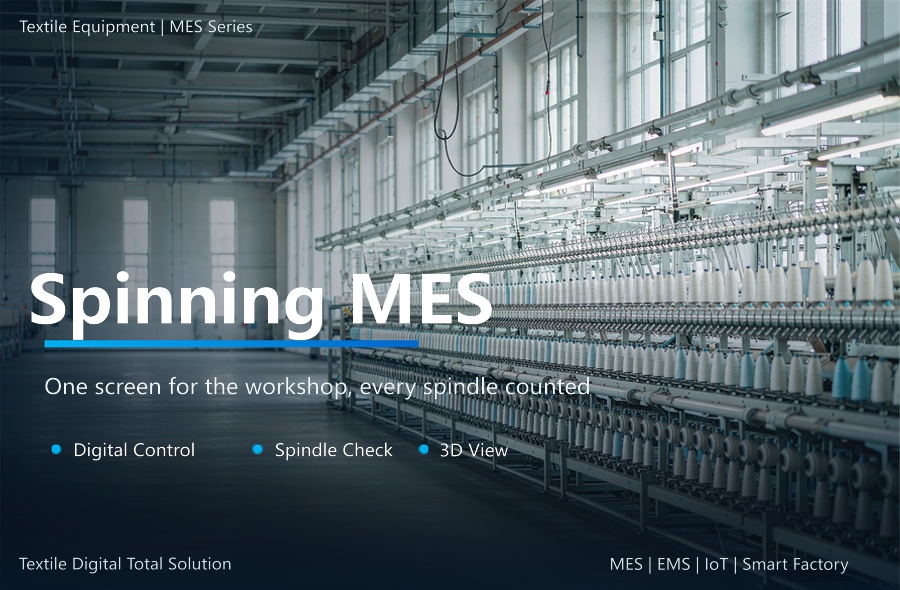
Comprehensive Production Management: Manage every element of spinning production, including people, machines, materials, methods and environmental conditions, with continuous workshop visibility.
3D Digital Twin: Combine virtual production lines and workshop dashboards to visualize equipment status, production progress and key indicators.


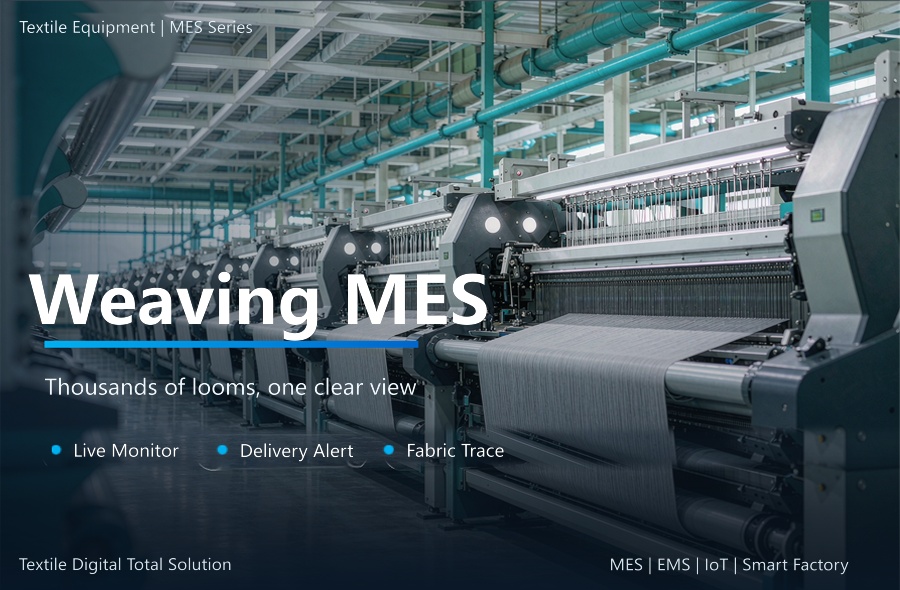
Coordinated Production Planning: Manage production plans, monitor progress and receive delivery risk alerts to keep orders on schedule.
Unique-Code Fabric Traceability: Link machines, shifts, materials and orders to monitor and trace the complete production history of every piece of fabric.
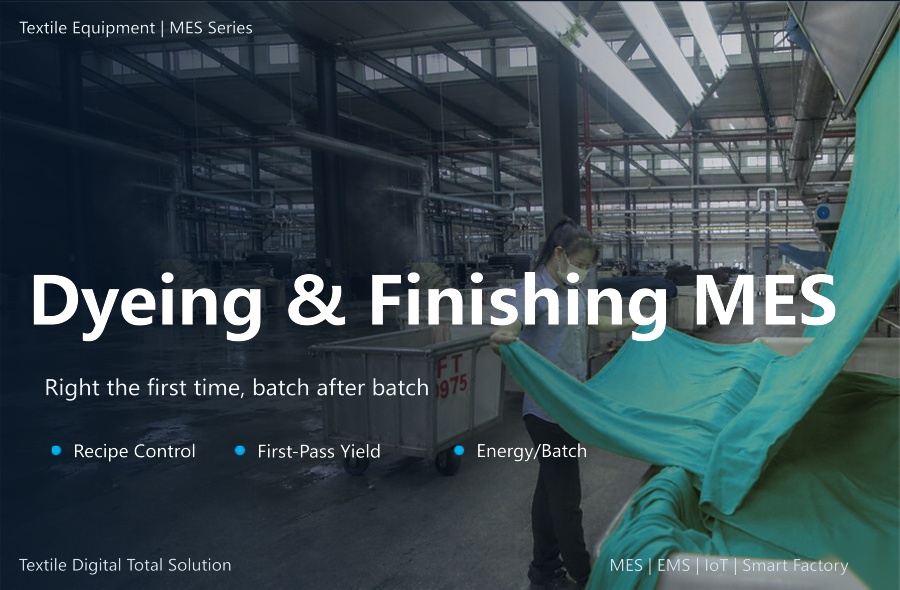
Smart Recipe Error Prevention: Link recipes to work orders and optimize dyeing machine scheduling to reduce material selection and mixing errors.
Cost Analysis by Dyeing Batch: Calculate water, electricity, steam and production costs for each dyeing batch, with detailed energy and quality analysis.
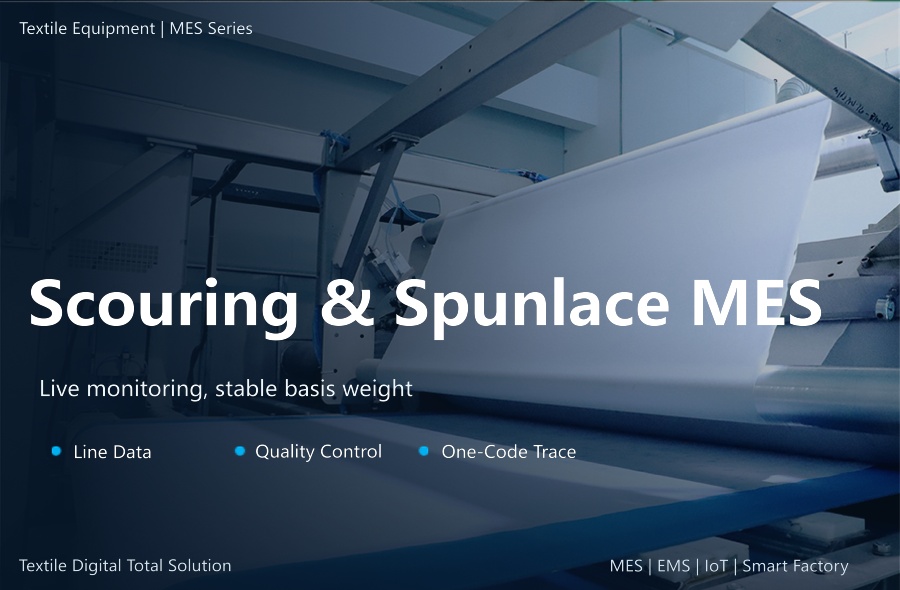
Production Line Coordination: Coordinate people, machines, materials, methods and the environment, monitor key parameters and support production decisions.
Energy Analysis by Production Line: Track water, electricity and steam consumption by production line and shift to identify energy-intensive processes.
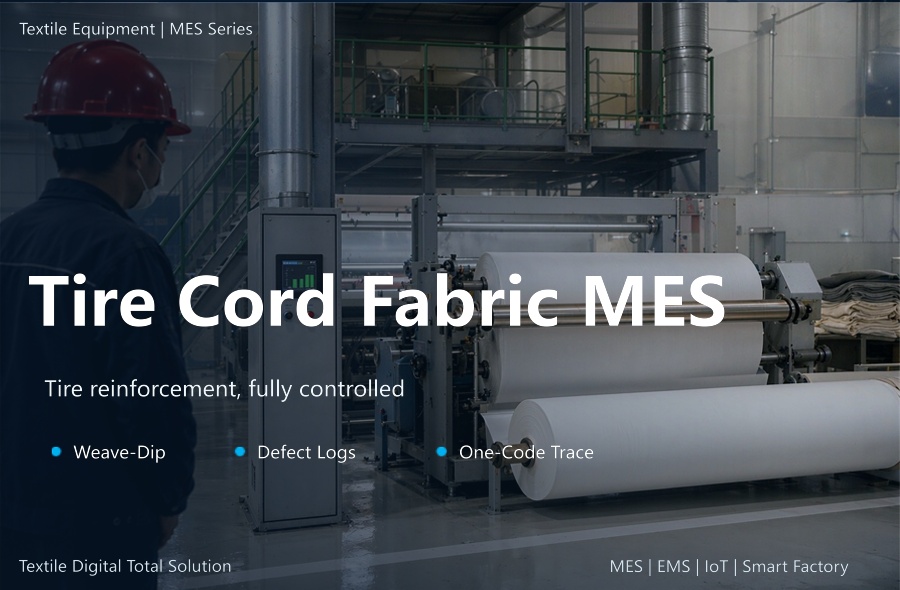
Equipment Exception Monitoring: Record yarn breaks, defects, downtime and machine energy consumption to identify production bottlenecks.
End-to-End Quality Traceability: Use unique identifiers to link raw materials, process data, inspections and finished product batches.
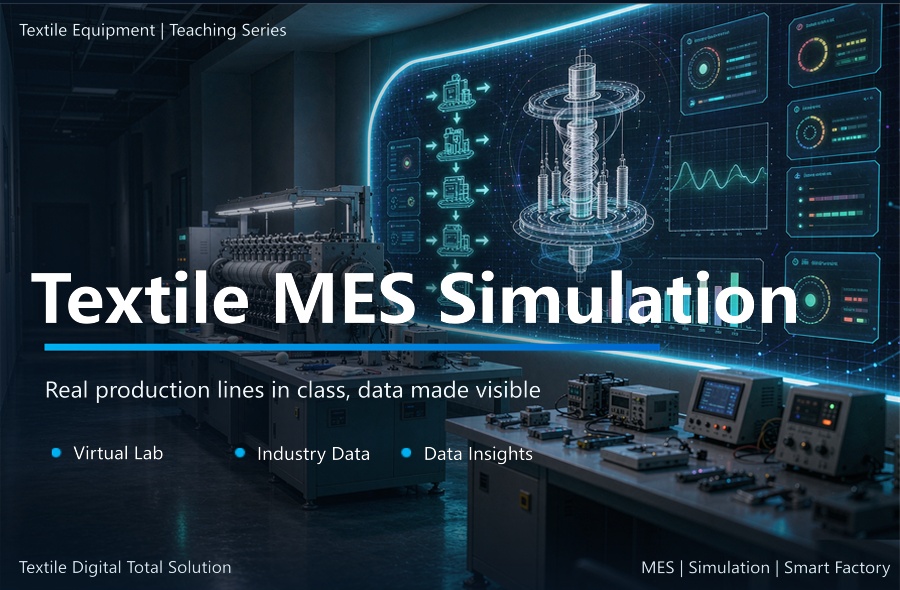
Driven by Industry Data: Built on anonymized production data accumulated in the textile industry, the platform closely reflects real manufacturing environments to make teaching more realistic and practical.
Understanding the Value of Data: Beyond system operation, students learn how data improves production and efficiency, developing the skills and mindset needed for digital textile production management.
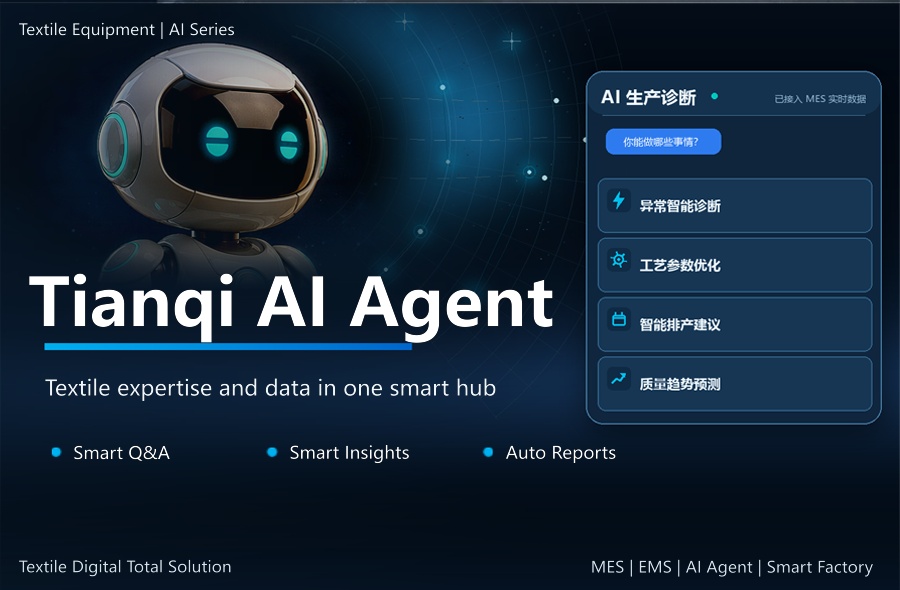
Production Insights: Built-in industry metrics combine trend analysis and downtime attribution, turning experience-based judgment into data-driven insight and quickly identifying priorities for improvement.
Intelligent Reporting Engine: Automatically turn findings into KPI cards, charts and detailed records, then generate management reports in one click. Every step can be checked and traced, so every page stands up to scrutiny.

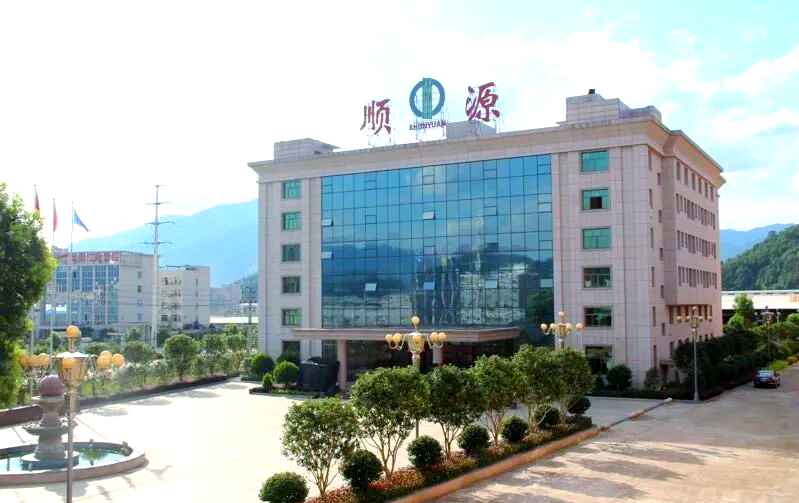
Completed: 2021
Equipment scale: 50,000 spinning spindles
Project highlights: A dedicated 5G cloud connection links the workshop IoT network to cloud servers, moving the MES to the cloud and integrating data from multiple testing devices and systems.
System functions: A dedicated connection uploads data from the entire production process, integrating production, process quality, personnel, individual spindle and energy data from multiple equipment systems. WeChat Mini Program access supports a new generation of digital and intelligent textile production management.
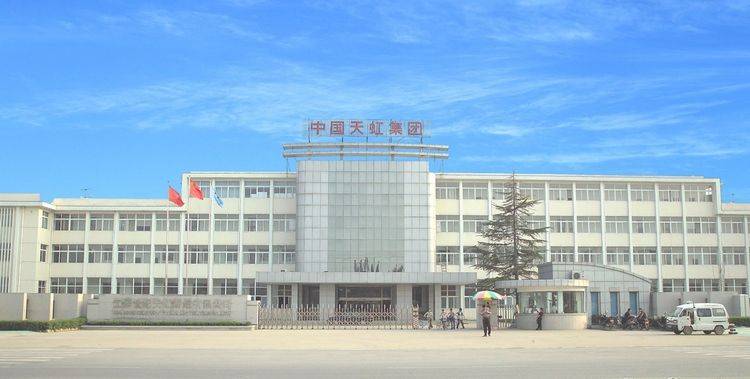
Completed: 2021
Equipment scale: Scouring workshop and spunlace workshop
Project highlights: Mainly imported equipment; end-to-end digital and intelligent management of large-scale scouring and hydroentangling; multilingual and cross-platform support.
System functions: An IoT network connects equipment across all processes. It integrates data from raw cotton input through scoured cotton intermediates to finished scoured cotton, and from spunlace material input through intermediate production and defect inspection to finished goods warehousing. The nonwoven MES enables one-click data traceability.
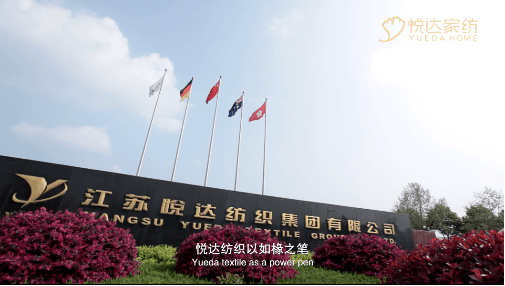
Completed: 2019
Equipment scale: 10,000 + 100,000 spinning spindles
Project highlights: Upgrading operating workshops and connecting existing equipment, with numerous equipment types and interfaces and the latest domestic and imported machines.
System functions: The system accommodates a new 10,000-spindle demonstration line alongside an operating 100,000-spindle line. It digitalizes the new line and brings existing equipment into production management, covering raw material purchasing, production scheduling and execution, automatic data collection from new machines, manual statistics for older equipment, integration with equipment information systems and ERP, and finished goods warehousing.
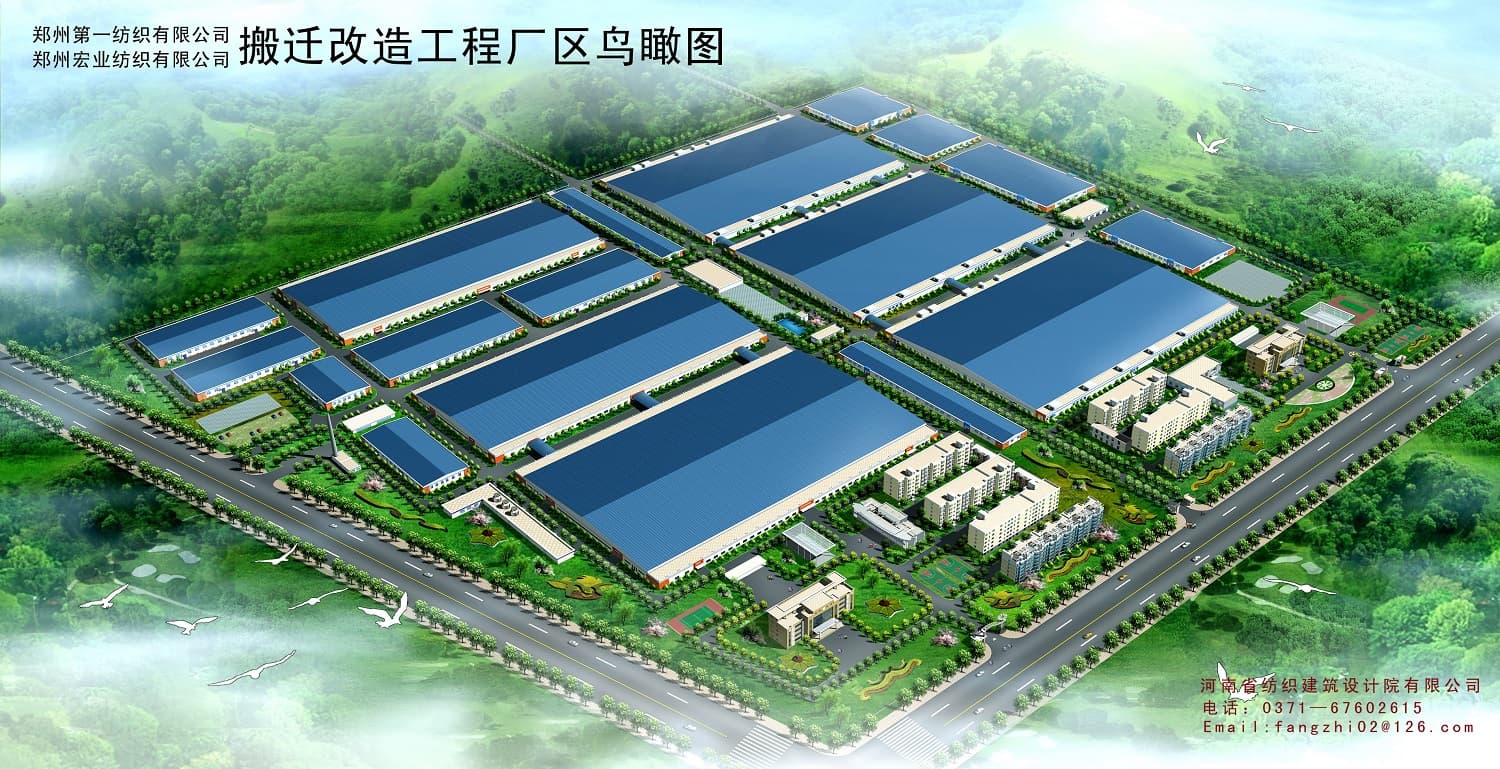
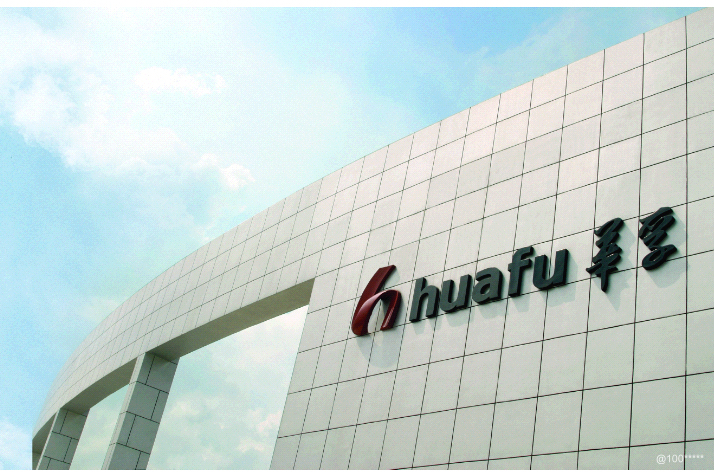
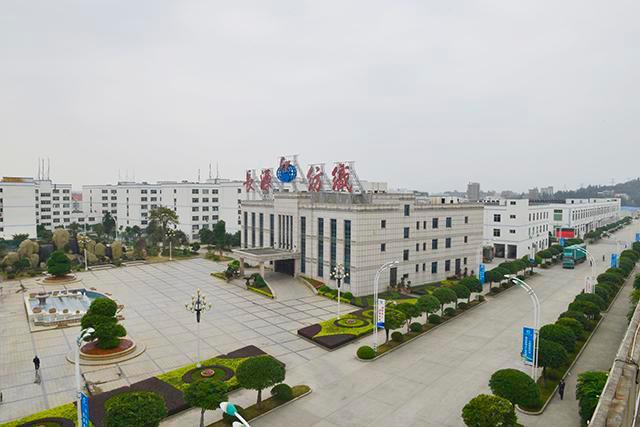
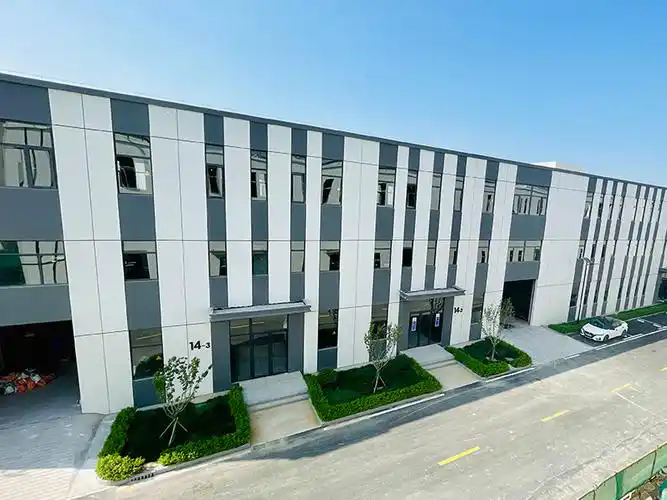
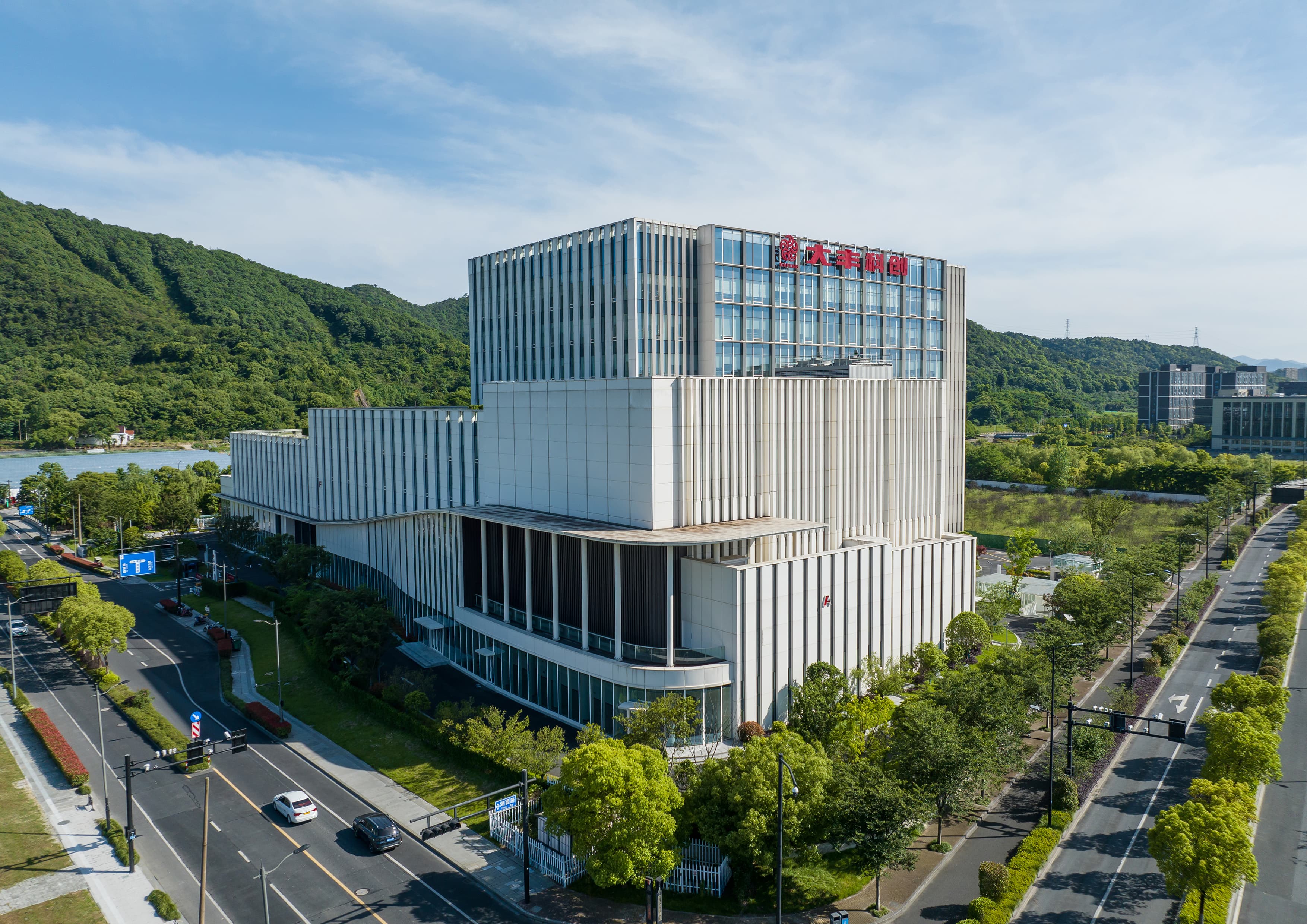
Completed: 2020
Equipment scale: 92 rapier looms and 20 air-jet looms
Project highlights: Connected workshop equipment, barcode traceability and end-to-end smart factory digitalization.
System functions: Connected equipment forms a computerized monitoring network and production management database for comprehensive production data analysis. The system digitalizes order release, process management, planning and execution, fabric inspection, barcode traceability and finished goods warehousing, providing practical technology for textile digitalization.

Interpreting the 15th Five-Year Plan for Light Industry and Textile Development
Published: 2026-09-22 08:55 Source: Department of Consumer Goods Industry
To advance the transformation and upgrading of light industry and textiles, the Ministry of Industry and Information Technology and two other departments jointly issued the 15th Five-Year Plan for Light Industry and Textile Development, Joint Planning Document No. 211 of 2026, in accordance with China's national 15th Five-Year Plan outline. An official from the ministry's Department of Consumer Goods Industry explains its provisions below.
1. What Is the Background and Significance of the Plan?
Light industry and textiles are traditional strengths of China's economy and important livelihood industries, with strong international competitiveness. They support growth, employment, consumption and public well-being. The fourth plenary session of the 20th CPC Central Committee called for strengthening their position and competitiveness in the global industrial division of labor. During the 14th Five-Year Plan period, innovation, structural improvements and quality-focused transformation enhanced industrial completeness, technological capability and security. By the end of 2025, these sectors accounted for 34.5% of industrial enterprises above designated size, 19.8% of revenue, 20.8% of total profits and 32% of exports, further strengthening China's position in light industry and textile manufacturing. The 15th Five-Year Plan period is crucial for moving up global value chains and accelerating independent innovation. AI and green, low-carbon technologies are driving upgrades, cross-industry innovation is expanding sector boundaries, and diverse consumer demand continues to grow. The Plan is important for adapting to these changes and renewing the industries.
2. What Are the Plan's Main Considerations?
China already leads globally in the scale of light industry and textiles. The Plan shifts attention from size toward independent innovation, upgrading, deep transformation and value creation. It seeks a modern industrial system through shared direction and coordinated enterprise action. First, strengthen original innovation and critical technologies, improve commercialization and achieve breakthroughs in foundational technologies. Second, align supply with demand by responding to quality-focused, personalized and service-oriented consumption, expanding high-quality products and brands, and integrating with culture, tourism, health, the silver economy and the digital economy. Third, create value through AI, green transformation and new quality productive forces that serve national strategies. Fourth, coordinate domestic and international development, balancing upgrading, orderly domestic relocation and global resource allocation.
3. What Are the Plan's Overall Requirements?
Guided by Xi Jinping Thought on Socialism with Chinese Characteristics for a New Era, the Plan implements the decisions of the 20th CPC National Congress and subsequent plenary sessions, particularly the fourth. It applies the new development philosophy, accelerates a new development pattern and works toward new industrialization. High-quality development is the central theme, deeper integration of technological and industrial innovation is the path, and meeting people's growing needs for a better life is the purpose. The Plan focuses on integrated innovation, quality upgrades and value creation, continuing the strategy of expanding variety, improving quality and building brands. It strengthens industrial and supply-chain resilience and security, enhances global competitiveness, improves the fit between supply and demand, meets consumption upgrades and national strategic needs, and supports China's development into a manufacturing powerhouse.
By 2030, the Plan aims for continued progress in intelligent, green and integrated development; reasonable average annual growth in industrial value added above designated size; steady labor productivity gains; efficient innovation collaboration; sustained upgrading; improved industrial structure and layout; stronger competitive advantages and livelihood support; and a significantly stronger position in global industrial and value chains. It sets 11 indicative targets across scale and efficiency, innovation, transformation and livelihoods, covering enterprise revenue, labor productivity, industrial clusters and employment.
4. What Are the Priority Tasks?
To retain scale advantages while improving quality and efficiency, the Plan sets out 14 priority tasks and five thematic sections. First, strengthen innovation through original research and critical technologies, faster commercialization and stronger enterprises, supported by a section on key technology directions. Second, improve supply-demand alignment through better products, higher quality standards and stronger brands, with priority product areas identified. Third, accelerate intelligent and green transformation through AI, low-carbon upgrades and recycling systems, supported by sections on AI applications and green technologies. Fourth, expand integrated development through culture-led innovation, smart living and cross-sector applications, with priority integration areas. Fifth, optimize industrial layout through two tasks including stronger regional coordination.
5. How Will the Plan Strengthen Innovation?
Technological innovation is essential to removing bottlenecks and rebuilding competitive advantages. The Plan addresses weak core links and supports the shift from scale to strength. First, improve challenge-based and competitive research mechanisms, support innovation centers and enterprise technology centers, and specify critical technology directions in 19 subsectors. Second, accelerate commercialization through pilot validation platforms and shared industrial technology services, expanding access to testing capabilities and major instruments. Third, develop high-quality enterprises through competitiveness indicators and analysis, more specialized and innovative Little Giant firms and manufacturing champions, and smart supply-chain platforms led by major companies to connect large, medium and small enterprises.
6. How Will Supply and Demand Be Better Aligned?
Mutually reinforcing supply and consumption are key to domestic circulation and demand. The Plan improves supply structures, develops niche markets and seeks a stronger dynamic balance. First, expand high-quality supply through catalogs of age-friendly products and services, upgraded and innovative consumer goods guides, trend releases and ten textile innovation product categories. Eight focus areas cover infants and children, young people, fashion, older adults, maternity, special occupations or regions, pets and producer services. Second, develop high-level standards, including more than 30 mandatory national standards and around 600 urgently needed industry standards, plus AI, certification and labeling specifications, and a manufacturing quality excellence program. Third, develop Chinese consumer brands, textile and apparel creative design clusters and specialized industrial clusters, nurture leading apparel brands, traditional food regions and local specialty food industries, and strengthen professional brand services, value creation and international operations.
7. How Will Intelligent and Green Transformation Be Accelerated?
Intelligent and green transformation will drive quality and efficiency improvements during the 15th Five-Year Plan. First, accelerate sector-specific large models and specialized agents across the value chain, map AI scenarios and implementation paths, and develop scenario-based tools and solutions, with directions specified for 14 subsectors. Second, advance green design, smart lighting with energy storage and energy-saving appliance/building systems; enforce mandatory environmental, energy, water and emissions standards; replace conventional energy with cleaner sources in ceramics, household glass and man-made fibers; and develop green technology roadmaps to improve energy and carbon efficiency. Third, strengthen recycling through textile sorting and processing centers, connected recycling factories for appliances and other sectors, public collection channels, and standardized recycling production, while increasing recycled materials in appliances, furniture and plastics.
8. How Will Integrated Industrial Development Be Encouraged?
Integrated innovation is a source of new growth. First, use culture to support innovation through traditional craft heritage and innovation bases, studios and intangible cultural heritage workshops; practical products with cultural creativity; an international silk organization; links between musical instrument manufacturing, education and daily life; industrial heritage; and safe, locally appropriate industrial tourism. Second, develop smart living through mandatory smart-home interoperability standards, innovative service robots, smart glasses, toys, watches, fitness equipment and instruments, plus experience centers and community services. Third, promote the Textile Plus initiative, combining textile science and products with other fields, publishing application catalogs and integrating biotechnology, nanotechnology and biomimetics. Priority application areas are healthcare, geotechnical construction, marine engineering, electronics and new energy.
9. How Will Implementation Be Organized?
The Plan provides measures for policy, business conditions and talent. Policy measures include sectoral industrial policies, support for first-of-kind major equipment, new material batches and software releases, and diversified financing through the national industry-finance platform, including eligible public listings. Business measures improve markets and governance, strengthen quality and safety oversight, combat false advertising and counterfeits, protect consumers and enterprises, and improve workplace safety. Talent measures encourage leading enterprises, vocational schools and universities to form industry-education partnerships, deliver targeted training, update workers' knowledge and qualifications, and develop outstanding engineers, skilled craftspeople and technical talent. For oversight, the ministry and relevant departments will coordinate strategic plans, key projects, policies and standards, with dynamic monitoring, mid-term review and final evaluation.
 15th Five-Year Plan for Light Industry and Textile Development.pdf
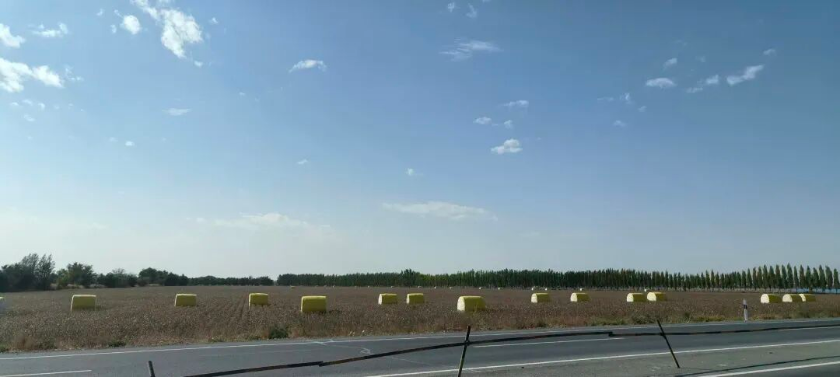
During the Cold Dew season, while cotton growers across Xinjiang watch daily price fluctuations, a change with implications for the region's cotton industry is taking place. January-August 2026: Xinjiang's yarn output surpassed Jiangsu's to rank second nationwide.
This means more than a higher ranking. Rising yarn output means that more Xinjiang cotton can be processed locally instead of shipped elsewhere: the local processing rate rose from 35% in 2021 to 45% in 2025. Based on Xinjiang's 2025 cotton harvest of 6.165 million tonnes, more than 2.8 million tonnes were consumed within the region, equivalent to around 80% of its entire cotton harvest ten years earlier.
For cotton growers, this means another major buyer close to home.
From the introduction of cotton target-price reform in 2014 to textile and apparel industrial output exceeding CNY 100 billion for the first time in 2025, Xinjiang's journey took eleven years.
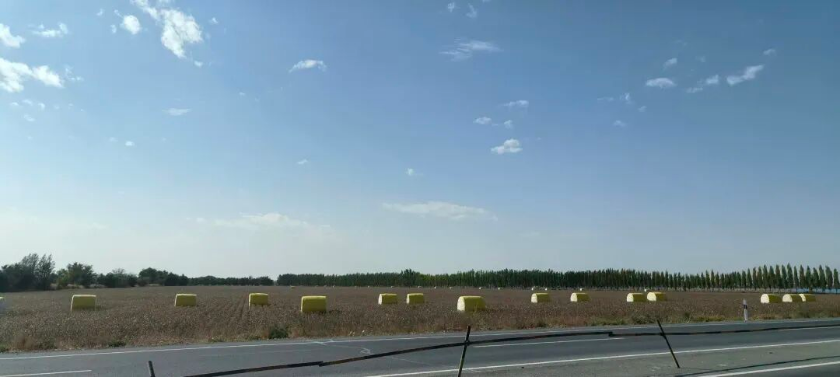
In a cotton field in northern Xinjiang, awaiting sale: round cotton bales. First, consider the full-year results for 2025:
Province/Region | 2025 Yarn Output | National Ranking |
Shandong | 4.3668 million tonnes | No. 1 |
Jiangsu | 3.4692 million tonnes | No. 2 |
Xinjiang | 3.3497 million tonnes | No. 3 |
In 2025, Xinjiang trailed Jiangsu by only 119,500 tonnes and Shandong by 1.0171 million tonnes. By January-August 2026:
Province/Region | January-August Yarn Output | Cumulative Year-on-Year Change |
Shandong | 2.6386 million tonnes | -7.25% |
Xinjiang | 2.5695 million tonnes | +19.81% |
Jiangsu | 2.2069 million tonnes | -0.95% |
Xinjiang had overtaken Jiangsu by 362,600 tonnes, moving into second place nationwide. The Remaining Hurdle How far is Xinjiang behind Shandong?
Reporting Period | Shandong | Xinjiang | Output Gap |
January-June 2026 | 196.37 | 191.36 | 5.01 |
January-July 2026 | 228.53 | 223.45 | 5.08 |
January-August 2026 | 263.86 | 256.95 | 6.91 |
The gap between Xinjiang and Shandong was still widening. Calculating backward from the cumulative figures, in August 2026 alone, Shandong produced approximately 353,300 tonnes of yarn and Xinjiang 335,000 tonnes, a monthly gap of 18,300 tonnes. If the gap remained positive in September and October, overtaking Shandong in 2026 would be unlikely. Xinjiang had not slowed: its January-August growth of 19.81% was the only double-digit increase among the major yarn-producing provinces and regions.
Province/Region | January-August Year-on-Year Change |
Xinjiang | +19.81% |
Shandong | −7.25% |
Hubei | −27.83% |
Fujian | −42.41% |
The issue is that this is a race in which competitors are retreating while Xinjiang advances. Much of its catch-up reflects competitors losing ground rather than Xinjiang simply running faster. Shandong's retreat has limits: it will retain some high-value capacity near end markets rather than withdraw completely. At current monthly rates, Xinjiang is unlikely to overtake it in 2026. As industry researchers put it, Xinjiang would need Shandong to undergo a large-scale industrial restructuring, something Xinjiang cannot control.
Why Has the Gap Narrowed So Much? Over the longer term, Xinjiang's rise to second place is grounded in substantial cost advantages.
First: Electricity. The all-in electricity price for Xinjiang textile mills is CNY 0.33/kWh. With a benchmark of CNY 0.38/kWh, the regional government subsidizes the CNY 0.05/kWh difference. Inland prices are generally CNY 0.60-0.80/kWh. Spinning one tonne of yarn uses around 4,000 kWh, giving Xinjiang a saving of more than CNY 1,000 per tonne on electricity alone.
Second: Subsidies. Xinjiang offers a package of textile policies, most running until the end of 2027: outbound freight subsidies, working-capital loan interest support of up to CNY 30 million per company, fixed-asset investment interest support, technology upgrade subsidies, sales subsidies, and employment and training support. Southern Xinjiang also offers corporate income tax relief with five years of exemption followed by five years at half rate, while industrial land costs one-fifth to one-tenth of eastern China's prices.
Third: Raw Materials. Nationwide, 92.8% of cotton comes from Xinjiang. Its 2025 harvest reached 6.165 million tonnes, with total output and yield per unit area leading China for 32 consecutive years. Local raw materials eliminate long-distance lint transport and associated logistics markups.
Fourth: Equipment. Spindle speeds at new Xinjiang mills generally exceed 20,000 rpm, while many older inland mills still operate at 16,000 rpm, a 20%-30% productivity gap. Together, these factors reduce Xinjiang's total yarn cost by around CNY 1,200-2,000 per tonne. One industry analogy captures the difference: It is like a diesel locomotive competing with a high-speed train. This also explains a striking contrast: as of August 20, 2026, operating utilization in China's main textile regions averaged 68.9%, but that average hid major differences. Inland spinning mills operated at around 50%, and weaving utilization in Foshan, Guangdong was just 20%, while Xinjiang spinning mills consistently maintained more than 90%.
Lower Costs Do Not Guarantee Profits So far, the story might appear to be a perfect example of cost advantages winning market share. But 2026 tells a more complicated story. In Aksu, one of Xinjiang's main textile centers, above-designated-size textile revenue reached CNY 10.309 billion in the first half, up 21.5%, while aggregate losses totaled CNY 117 million, CNY 113 million more than a year earlier. Some 56.6% of firms were loss-making. Revenue rose while profits deteriorated. This was not isolated: from January to September 2026, inland mills' spot margins remained deeply negative at CNY 1,000-2,500 per tonne. After using up cheaper raw material inventories, Xinjiang mills also experienced moderate losses. In May, spot margins for 32-count yarn in Xinjiang fell to minus CNY 530 per tonne, close to a five-year low.
Cotton yarn prices never fully kept pace: at the end of April, the cotton yarn price index was approximately CNY 23,000 per tonne, and by September it was still around CNY 24,000, while cotton briefly approached CNY 18,000 per tonne. One mill calculated that if cotton rose from CNY 15,000 to CNY 18,000, yarn would need to sell at CNY 25,000 to break even, but the market ceiling was CNY 24,000. Prices rose, but not enough to make a profit.
What, then, does Xinjiang's low cost mean? It means Xinjiang can absorb losses that inland mills cannot. It is the ability to withstand losses rather than earn greater profits. Those are very different things: resilience is a survival capability, not profitability. If cotton prices stay high long enough, even that resilience can be exhausted.
Inland Capacity Retreats, Xinjiang Fills the Gap The inland retreat extends across the industry. In the first half of 2026, the number of above-designated-size textile and apparel enterprises in China fell by nearly 1,500, according to the National Bureau of Statistics. By October 8, overall utilization at major weaving centers was only 47.30%, with air-jet loom utilization of 52.83%. A September survey by the China Cotton Textile Association found cotton yarn clusters operating at only 80%, with greige fabric clusters recording negative gross margins and the industry facing higher costs and thin profits. Ningbo Esquel, a benchmark factory with 33 years of premium cotton shirt manufacturing for international brands, halted production in June 2026, transferring orders to Xinjiang, Guilin and Southeast Asia. An August China Cotton Association report noted that growing rotor-spinning capacity in Xinjiang partly offset shrinking conventional ring-spinning capacity inland. Xinjiang is filling the capacity gap left by inland closures. For inland mills, the hardest challenge is a cost structure they cannot replicate: differences in electricity, tax, land, freight and equipment generations cannot be overcome by management improvements alone.
What Xinjiang has won is the ability to survive this downturn, securing market position rather than profit. Its lower costs absorb capacity abandoned inland, but whether that capacity can earn money is a separate question.
Policy Support Begins to Tighten If the story ended here, it would be a report declaring that Xinjiang had won. But the more significant signal in 2026 is elsewhere: the policies driving this expansion have begun to pull back.
First, Project Approval Is Getting Harder. The July 2025 Regulations on Optimizing the Business Environment in Xinjiang explicitly prohibited low-level repetitive construction and destructive competition. Approval slowed noticeably from August, with criteria shifting from scale to technology, added value and environmental performance. This controls new capacity.
Second, Subsidies Have an End Date. The central Nine Cotton Measures, Regional Government General Office Document No. 26 of 2025, explicitly apply from January 1, 2025 to December 31, 2027. What happens afterward is one of the industry's biggest uncertainties. This manages expectations.
Third, Cotton Acreage Is Being Reduced. Xinjiang plans to adjust cotton acreage to around 36 million mu over two to three years. The 2026 plan calls for a reduction of 5-7 million mu, more than 10%, although industry research indicates actual cuts are much smaller. This controls upstream supply. Meanwhile, capacity rose from about 33 million spindles in 2025 to more than 37 million in 2026, approaching 40 million by year-end. New capacity in 2027 is expected to fall to around 2.5 million spindles, indicating a progressively slower expansion.
All three developments point in the same direction: Xinjiang's textile expansion is moving from full policy support to selective policy restraint. The three structural bottlenecks limit value-chain depth, while tighter policy limits growth speed. Together, they suggest that the period of easy gains from scale is nearing its end.
Cotton Spinning Nears Its Ceiling; Man-Made Fibers Take Over The end of easy gains does not mean the end of opportunity. Cotton spinning is approaching its ceiling, but Xinjiang textiles have another path: man-made fibers.
The ceiling for cotton spinning can be estimated. Assuming cotton output of around 7 million tonnes and a local processing rate of 60%, theoretical pure-cotton spinning capacity is 40-50 million spindles. With more than 37 million already in place, Xinjiang has used roughly 80% of that space, a theoretical estimate dependent on materials, policy and product mix. Another growth engine has begun, however. The weakness in man-made fibers is not upstream petrochemicals, but the final link from petrochemicals to textiles.
In March 2023, Yuxin New Materials commissioned its first-phase 300,000-tonne polyester fiber project, the first in northwest China's five provinces and autonomous regions. It completed a value chain from PX and PTA to polyester fiber, textiles and apparel.
In November 2025, the second 300,000-tonne phase started successfully, raising total capacity to 600,000 tonnes and creating northwest China's largest polyester raw material base. Alar now supplies three major raw materials: 320,000 tonnes of lint, 340,000 tonnes of viscose and 600,000 tonnes of polyester, taking textile fiber capacity above one million tonnes and giving it Xinjiang's most comprehensive textile material mix. This has attracted 75 textile companies to the Alar Economic Development Zone, where full-chain output exceeded CNY 20 billion in 2025. Product composition is also changing. China Cotton Textile Association monthly surveys showed pure-cotton yarn's share among sampled companies falling below 50% for the first time in the second half of 2026, fluctuating between 49.8% in July, 50.2% in August and 49.8% in September. Blended and man-made fiber yarns together now account for about half. Yet man-made fibers represent a different value chain; they do not remove cotton spinning's three bottlenecks. The real test is whether Xinjiang can deepen its main cotton textile chain.
Dyeing, Labor and Transport: Three Bottlenecks But spindle count has never been the final barrier.
Research by the regional Development and Reform Commission identifies three weaknesses: supporting dyeing and finishing capacity, labor productivity and logistics costs. Building more spinning mills cannot resolve them.
First: Dyeing and Finishing Are Constrained by Water. National dyeing and printing capacity is 5.77 million tonnes, compared with around 170,000 tonnes supporting Xinjiang's cotton textile sector under the cotton-processing definition. Suitable locations are limited. Using the broader all-product dyeing and finishing definition, regional capacity is much larger: Alar alone reached 474,000 tonnes in 2025, more than 70% of Xinjiang's total and 94% of the Production and Construction Corps' capacity. By September 2026, it had risen to 625,000 tonnes, with a 2030 target above one million tonnes. Nationally, about 40% of cotton yarn becomes greige fabric, but only 7.3% of Xinjiang's greige fabric becomes dyed or printed fabric locally. Much high-quality yarn leaves for processing in Jiangsu and Zhejiang, taking the added value with it. The obstacle is water rather than money. Xinjiang links urban development, land, population and industry to available water resources. Areas with overloaded water resources suspend new withdrawal permits, and industrial users consuming more than 100,000 cubic meters annually enter planned water management. Dyeing is the most water-intensive textile stage: conventional aqueous processing uses 50 tonnes of water per tonne of cotton and large amounts of industrial salt. These constraints have prompted innovation. In September 2026, Xinjiang's first non-aqueous dyeing demonstration line started in Alar, using cosmetic-grade silicone oil instead of water as the dyeing medium, with 99% medium recovery and no industrial salt. Water use fell from 50 to 33 tonnes per tonne of cotton, fixation rose from 50%-70% to 90%, greenhouse gas emissions fell 44%, and total costs dropped 5%-10%. However, its designed annual output is only 3,000 tonnes of dyed loose cotton; broader scaling still depends on the Alar hub.
Second: Labor Shortages and Retention Challenges. Worker productivity at some plants is only 40% of inland levels, but staffing shortages are more urgent. The industry lacks around 200,000 skilled workers, and senior managers are also scarce. Retention is harder than recruitment: Shihezi University's textile engineering program graduates just over 200 students annually, 80% of whom move east. The 33 textile firms in Korla's development zone face persistent shortages. Targeted recruitment supplied 1,691 workers, training helped more than 2,000 migrant workers enter industry, and over 600 became technical specialists, yet shortages were only eased. A recruitment drive led by Yuli County officials attracted more than 600 participants but only 50 preliminary job agreements, under 10%. Two approaches may help: Shihezi University works with Huafu and Esquel to train 500 technical workers annually, while automation has reduced staffing to 28-29 people per 10,000 spindles; vortex spinning needs only 20% of the labor of equivalent ring-spinning capacity. Both take time: training requires a cycle, equipment requires capital, and the shortage exists now.
Third: Transport Distance Can Be a Cost or an Advantage, Depending on Direction. Shipping a tonne of cotton yarn from Xinjiang to the Yangtze River Delta costs considerably more than inland transport. Government subsidies help bridge the gap. For outbound yarn from other parts of Xinjiang, support is CNY 500 per tonne below 40 count and CNY 540 above 40 count; in southern Xinjiang, the rates are CNY 600 and CNY 640 respectively. The subsidy itself reflects high freight costs. Distance is not always a disadvantage: eastward sales face high costs, but westward access to Central Asia can be favorable. Yet the goods moving west do not fully match the region's upgrading ambitions. In January-July 2026, Xinjiang's yarn, fabric and textile product exports rose 10.20% to CNY 13.000 billion, while apparel and accessory exports fell 14.75% to CNY 43.833 billion. Rising yarn exports and falling clothing exports imply a shift upstream, where added value is lowest. The real issue is how much of what goes west is made in Xinjiang from start to finish.
Conclusion Since China introduced its employment-focused textile and apparel development strategy for Xinjiang in 2014, more than 1,300 eastern and central Chinese textile and apparel companies have invested in the region. In 2025, industry output exceeded CNY 100 billion for the first time, double the 2020 level. Value added at above-designated-size textile and apparel companies rose 23.6%, and the value chain supported over one million jobs. Some 46,800 jobs were added that year, including 37,000 in southern Xinjiang, or 79%. Regional statistics show that in January-August 2026, textile value added rose 23.9%, and fabric output reached 2.917 billion meters, up 47.4%. Xinjiang has already secured second place in output: its silver medal. Yarn is spun locally, fabric is woven locally and some clothing is made there. But a March 2026 analysis by the China Textile Planning Institute identified eastern China as the main market for yarn and fabric, with Central Asia an emerging market for apparel and home textiles requiring long-term development. Xinjiang currently serves mainly upstream demand in the east; the next step is to make finished garments for Central Asia and wider markets.
Moving from upstream to downstream is what gives the gold medal its true value. Ranking second in output is easier than retaining the profits. Success depends on more than adding spindles. The past eleven years relied on a policy push; the next stage will test the industry's ability to advance on its own.
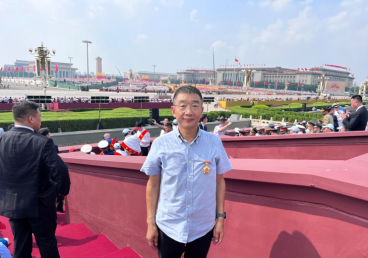
On September 3, Tianqi founder Professor Wang Yonghua was invited to attend the military parade in person, an exceptional personal honor and a shared source of pride for the team.
The ceremonial salutes, armored vehicles and aircraft left Professor Wang Yonghua deeply moved. As the national anthem played and China's five-star red flag rose, he felt a surge of emotion. He said, "What I felt was more than awe; it was a profound love for my country. At that moment, I truly felt the pride and happiness of being Chinese."
Over 18 years, Professor Wang Yonghua has led pioneering work in textile digitalization and intelligent manufacturing. His invitation recognized those contributions. He said, "I will devote my life to leading our team in improving the training of outstanding engineers and strengthening R&D in digital and intelligent industrial production systems. In the era of AI Plus, we will continue contributing to national talent development and digital systems."
The Tianqi team will continue following Professor Wang's example, upholding integrity, pragmatism, innovation and excellence, and working hard to support high-quality digital development in China's textile industry.
Overcoming Data Hallucinations and Bias to Deliver Deep Integration with Real Business Scenarios:
Tianqi Textile AI Large Model Goes Live
As a pioneer and leader in textile MES, Zhengzhou Tianqi has spent 18 years advancing digital and intelligent textile production. Tianqi Textile MES is widely deployed in more than 20 Chinese provinces and municipalities and in overseas markets. Customers in China and abroad recognize its advanced technology, mature products, consistent quality and first-class service.
The AI wave sparked by DeepSeek in 2025 is reshaping society. As a leader in textile digitalization, Tianqi promptly introduced version 1.0 of its own textile AI large model.
Practical testing showed that AI does not always deliver the expected answers, particularly when specialist knowledge and logical reasoning are required. To overcome model limitations and adapt AI to real workflows, Zhengzhou Tianqi assembled experts in AI and textiles, led by a National Ten Thousand Talents Program leader. Drawing on two decades of textile experience, the team developed a specialized knowledge base covering more than 50 business scenarios. Its innovative approach addressed challenges including data hallucinations and bias, producing Tianqi Textile AI Large Model v2.0, which better understands textile production and has recently entered trials at several companies.
Tianqi Textile AI Large Model covers production inputs, outputs, consumption, personnel, equipment, processes and quality. It helps users identify management problems and risks, analyze their causes and find practical improvements to efficiency, quality and cost. For example, it can analyze recent ring-spinning efficiency, identify underperforming machines, explain likely causes and recommend corrective measures. It can examine electricity use per tonne of yarn, locate abnormal equipment consumption and suggest solutions. It can assess quality against Uster Statistics, identify exceptions requiring attention and recommend actions. It can also analyze yarn breaks and flag machines needing maintenance. For textile production management questions, Tianqi AI provides informed, intelligent answers.
Zhengzhou Tianqi will continue investing in AI applications for textiles, expanding its scenario knowledge base and refining model strategies. With richer functionality and attentive service, Tianqi Textile AI Large Model aims to become an indispensable assistant for textile production management.
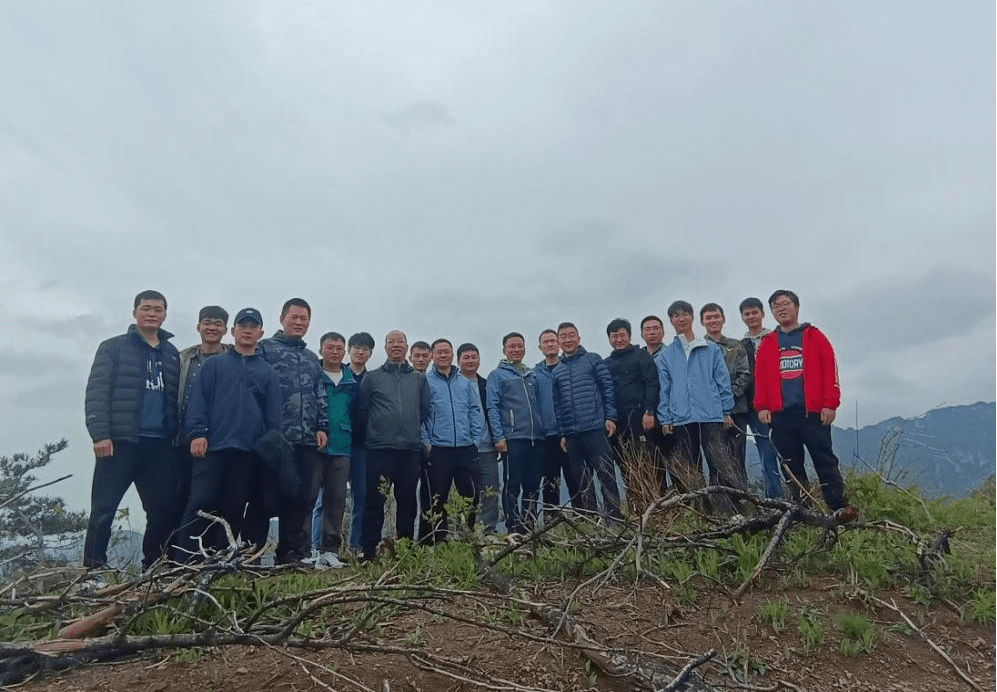
In May, the Southern Taihang Mountains are lush and beautiful, with green peaks, deep valleys and ever-changing scenery. To shake off the fatigue of the past three years and make a fresh start, our team took a weekend hiking trip led by Professor Wang.
Early on May 6, more than twenty team members drove to the foot of Wanxian Mountain. Once everyone had gathered, we headed for Luojiezhai. Beyond Shuizhaiyao Village, the road narrowed and climbed into the valley, winding along the gorge. Loose stones occasionally fell onto the road, putting our drivers' skills to the test.
Luojiezhai is in Nanyao Village, Shayao Township, Huixian. Built along the mountainside, its houses seem quietly painted into the landscape. From a distance, the winding village lanes resemble a green framework connecting the homes.
After settling in and taking a short rest, we set off for our first stop, Huluba. Surrounded by green hills and clear water, Luojiezhai felt like a scene from a painting. Its peace and quiet reminded us of the strength and beauty of life: a gift of nature and a retreat for the spirit.
At 2:30 p.m., we began hiking the cliffside trail from Luojiezhai to Guoliang. Near the village, the narrow Yixiantian passage revealed towering cliffs and layered peaks. The gorge's beauty and sheer rock faces filled us with awe. At a nearby ridge, Professor Wang explained the local geography and shared memories of his previous hikes here.
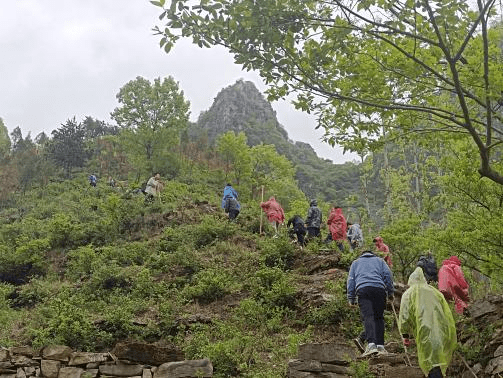
Before long, a light drizzle deepened the colors of the mountains and forests. Clouds rolled between the peaks, occasionally opening into a spectacular sea of mist. With time to spare, Professor Wang pointed to a distant mountain pass above Luojiezhai and suggested a further challenge. Everyone was excited to experience a climb in the rain.
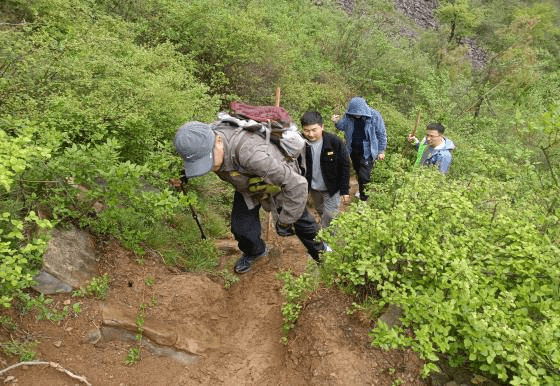
With walking sticks in hand, we began the challenge. Despite the slippery trail, we encouraged and helped one another through the difficult climb until everyone reached the summit. The extraordinary sea of clouds was refreshing and inspiring. Descending was just as slippery: we held roots and shrubs and climbed down carefully. A moment's inattention could send us sliding a meter or two, but we kept going. Working together, everyone returned safely, showing courage, perseverance, friendship and team spirit.
Early on May 7, while most of the team were still dreaming of the previous evening's food, wine and songs, Professor Wang took two of us on a 10-kilometer run along the cliffside trail to warm up. After breakfast, we tackled Mayi Mountain. The climb was demanding, with steep cliffs, deep drops and one higher peak after another. We supported each other throughout, sharing water and food and offering encouragement when the going was toughest. Reaching the final summit brought a rush of joy: at 1,653 meters, it was the highest mountain I had ever climbed!
Around noon, we began looking for a route down. Unfamiliar with the terrain, we made several attempts before finding a suitable path. Loose stones and dense vegetation made the descent hazardous, and the constant impact on our knees felt like heavy blows. Yet those demanding moments made the journey unforgettable. Near-vertical sections tested our nerves and gave us a true sense of adventure.
When we finally overcame every obstacle and reached the foot of the mountain, everyone felt grateful and ready to celebrate. The journey was full of excitement and challenges, and it also let us experience the joy and satisfaction of succeeding together.
This trip made us stronger and braver, and deepened our trust, understanding and support for one another.

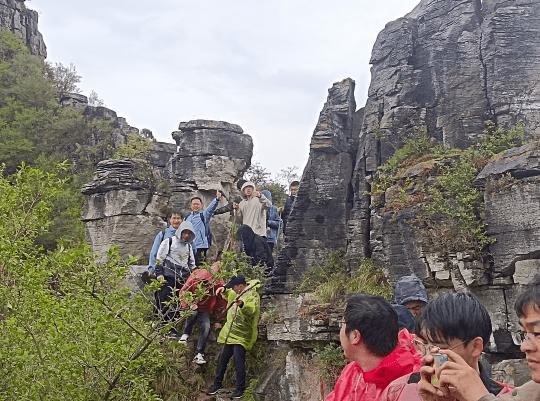

On February 23, 2022, implementation began on the high-quality, high-efficiency intelligent spinning MES for Anhui Huamao Xinwei, undertaken by Zhengzhou Tianqi Automation Systems Co., Ltd. The launch ceremony was held at Huamao Textile Group in Anqing.
Anhui Huamao Textile Group is a leading Chinese textile enterprise and a valued Tianqi customer. The two companies have built a comprehensive partnership over five years. Following the intelligent spinning project at Mill No. 8 in 2017, Tianqi implemented intelligent MES systems at Mills No. 9, No. 7 and No. 1. The Xinwei project extends this cooperation.
For 16 years, Zhengzhou Tianqi has focused on digital and intelligent textile production, delivering MES systems to dozens of textile companies in China and overseas and winning the Textile Light first prize twice. Guided by its commitment to quality and service, Tianqi will continue supporting Huamao's intelligent manufacturing and contributing to the development of China's textile industry.
On August 25, 2021, after a competitive tender involving several strong bidders, Tianqi won the information management system project for Shaanxi Yuanfeng's High-Tech Fiber Materials Application and R&D Base. Its qualifications, technical capabilities, reasonable pricing, integrity and comprehensive service system secured the contract. Implementation has recently begun.
The project combines spinning, two-for-one twisting and weaving with a data management system for new product R&D. An intelligent data acquisition network collects real-time production data from all three workshops, monitors people, machines, materials, methods and environmental conditions, and supports advanced applications such as production workflow control. It reduces managers' workloads, improves efficiency and strengthens lean management.
We are confident that both teams' joint efforts will deliver every project task to a high standard. The MES at Yuanfeng's High-Tech Fiber Materials Application and R&D Base will mark an important milestone in the company's development. We will continue working hard and building on this success to achieve even better results.
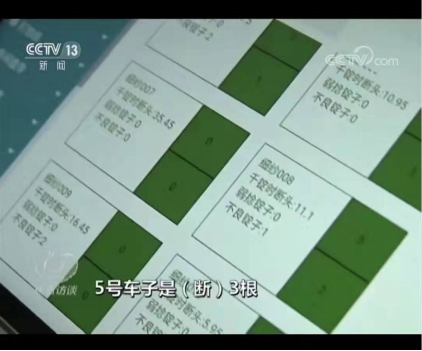
On November 14, CCTV's Focus Report broadcast Anhui's Path to High-Quality Development. The program showed textile leader Huamao Group using intelligent manufacturing to transform traditional industry, featuring its upgraded workshops and advances in technology, processes and digitalization. The Intelligent Textile Production MES developed by Zhengzhou University of Light Industry and Zhengzhou Tianqi Automation Systems Co., Ltd. was prominently featured. Tianqi's intelligent textile TIS provides Huamao with a strong integrated digital platform for intelligent manufacturing and rapid, high-quality growth.
Since 2017, Zhengzhou Tianqi and Anhui Huamao have jointly developed the Intelligent Textile HMES, completing system design and development for Mill No. 8 (150,000 spindles), Mill No. 9 (doubling and two-for-one twisting), Mill No. 7 (an existing 100,000-spindle workshop) and Mill No. 1 (150,000 spindles).
The project delivers highly automated, intelligent and integrated production, traceability, quality information and management. It also connects information flows across enterprise systems, providing a solid data foundation for technical innovation, product upgrades and management improvements. From initial research through commissioning to ongoing operations and maintenance, our work has earned Huamao's trust and appreciation.
Anhui Huamao Group's achievements in intelligent manufacturing demonstrate the textile industry's path to high-quality development and the advanced capabilities and reliability of Tianqi's Intelligent Textile HMES. As cooperation between the two companies continues to deliver results, we remain committed to the textile industry and to contributing to China's intelligent manufacturing development.
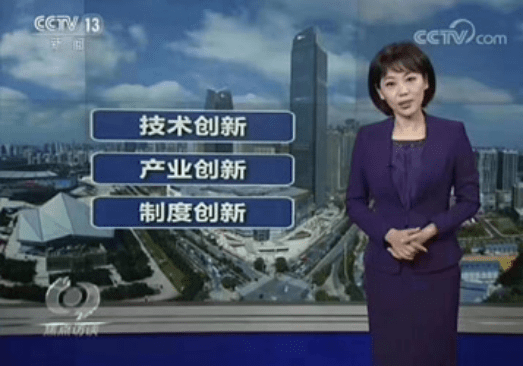
CCTV Recognition of Transformation and Upgrading in Traditional Industry
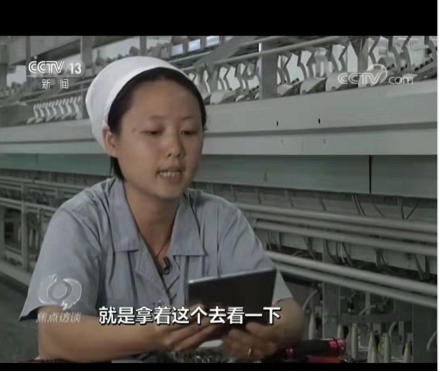
Wireless Smart Notifications for Ring-Spinning Yarn Breaks
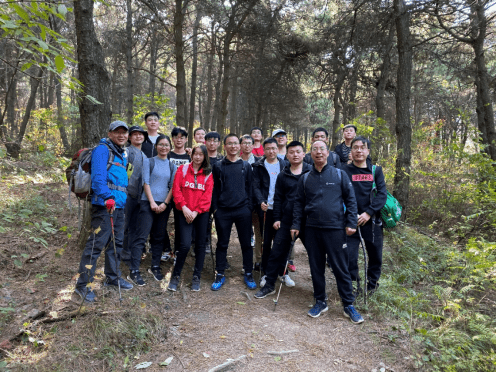
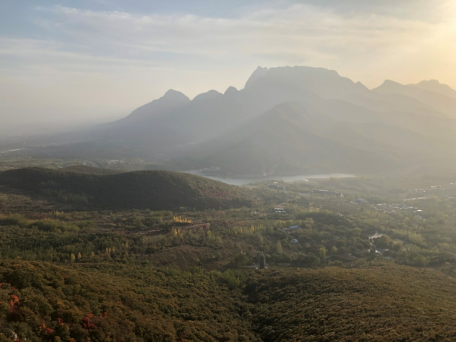
The annual autumn foliage season had arrived. Mount Song is famous for its red leaves, which reach their brightest colors after the Frost's Descent solar term. Catching the last days of October and the season's final display, the Tianqi team set out on a fitness hike led by Professor Wang. An autumn breeze had swept across the mountains, turning the forests into a sea of red.
Our route ran from Yongtai Temple through Guanxiang Peak, Wangdu Peak, Songbei Park, the Great Meadow and Wudaochuang, then back to Yongtai Temple. We admired autumn leaves, enjoyed sweeping views, explored the park, regrouped at the meadow and crossed Wudaochuang's five peaks. Professor Wang brought the outing to a close with stretching exercises.
Chapter One: Autumn Leaves. As autumn deepens, thousands of trees turn increasingly red, looking from a distance like rolling flames.
Chapter Two: A Panorama of the World Below.
Chapter Three: Songbei Park.
Though exhausted, everyone was still smiling brightly.
Chapter Four: Setting Our Dreams in Motion Again at the Great Meadow.
Chapter Five: Across Wudaochuang. Mountain joins mountain, and heart joins heart. Together, we can overcome any challenge.
Chapter Six: Yongtai Temple, Where Our Journey Began and Ended.
Throughout the hike, we supported and encouraged each other, showing teamwork, determination and courage. The outing lifted our spirits and enriched our time outside work. Shared conversation and laughter released everyday stress and strengthened our friendships and pride in the team.
Hard work brings rewards, and a determined climb reveals remarkable views. As soon as this joyful trip ended, everyone was already looking forward to the next outdoor adventure.


On the morning of December 5, 2018, excellent news arrived from the China National Textile and Apparel Council's Textile Light Science, Technology and Education Awards ceremony at Beijing's Great Hall of the People. The project Development and Application of Advanced Technologies, Equipment and Intelligent Technologies for High-Quality, High-Efficiency Ring Spinning won first prize in the Science and Technology Progress Awards. Submitted by Anhui Huamao, the project included Zhengzhou University of Light Industry and Zhengzhou Tianqi Automation Systems Co., Ltd. as principal participants.
The 2018 China National Textile and Apparel Council Science and Technology Awards recognized 113 projects: 16 first prizes, 45 second prizes and 52 third prizes. The project Development and Application of Advanced Technologies, Equipment and Intelligent Technologies for High-Quality, High-Efficiency Ring Spinning ranked first among the first-prize projects.
While implementing the intelligent HMES at Anhui Huamao Mill No. 8, Professor Wang Yonghua's team from Zhengzhou University of Light Industry and Zhengzhou Tianqi Automation Systems Co., Ltd. drew on more than ten years of successful textile digitalization experience. Working with the customer, the team introduced innovations in many areas. The HMES has played a major role in production management at Mill No. 8, delivering substantial economic and social benefits.
Zhengzhou University of Light Industry and Zhengzhou Tianqi Automation Systems Co., Ltd. will continue contributing to the development of digital and intelligent systems for China's textile industry.
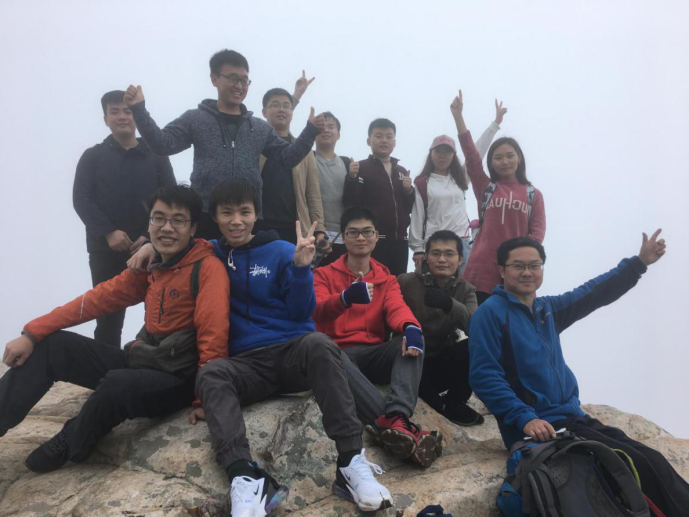
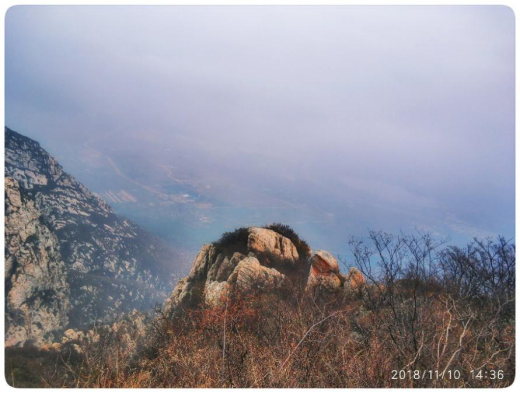
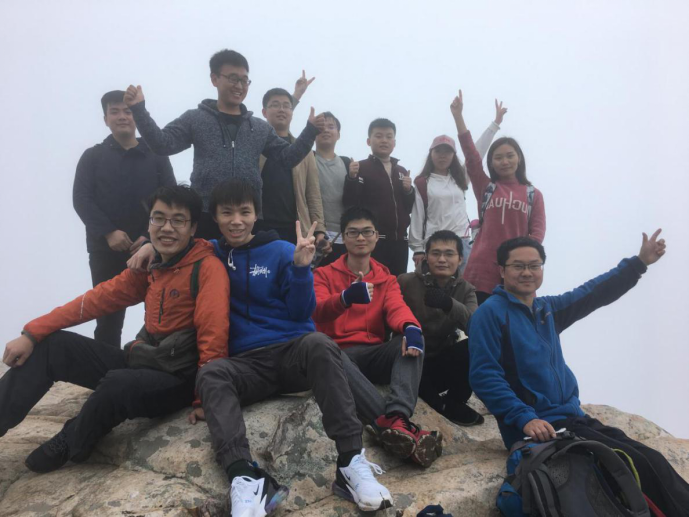
To improve fitness, strengthen our sense of collective achievement and teamwork, and enjoy a break from busy working lives in nature, the team held a mountain hike on November 10, 2018. Led by Professor Wang, the event's theme was Reaching New Heights, Walking Toward Better Health.
We set out at 7:30 a.m. and arrived at the foot of Mount Song around 9:30 a.m., ready and eager to begin. For most of the team, this was their first outdoor mountain hike. The tension of each climb gave way to a welcome rest on every small patch of level ground, making the alternating challenge and relief a memorable experience.
Around 1:00 p.m., we began our descent. As the saying goes, going down can be harder than climbing up. With everyone's agreement, we chose a more challenging route to push ourselves. Some stretches offered barely any footholds: those ahead guarded against slips, while those behind held on and offered extra support. 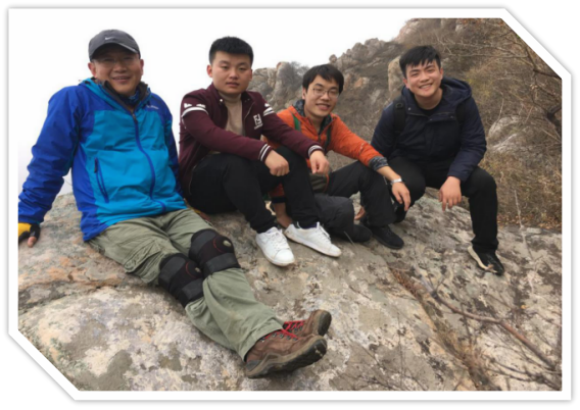
On October 18, the information system for Anhui Huamao Textile Mill No. 9, implemented by Zhengzhou Tianqi Automation, passed acceptance. This was the companies' second collaboration. The Tianqi team achieved new levels of delivery speed and quality, demonstrating its expertise in textile digitalization.
Civil construction at Mill No. 9 began in June, production started in August and the information system went live on October 1. Meeting Huamao's demanding standards, Tianqi delivered on time and to a high standard. Huamao's strong execution once again impressed the team, while Tianqi's professionalism strengthened the customer's trust and appreciation. Both companies look forward to further achievements together in textiles.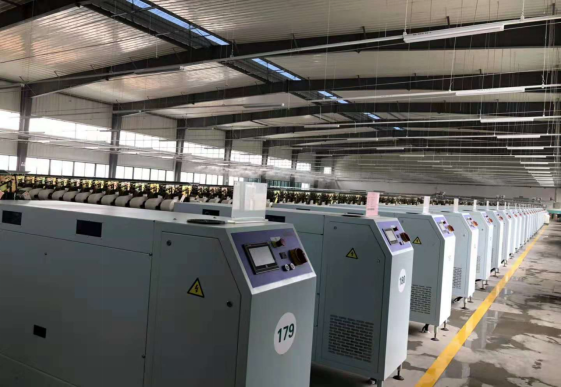
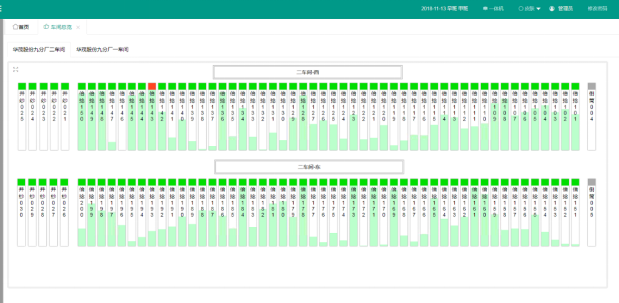
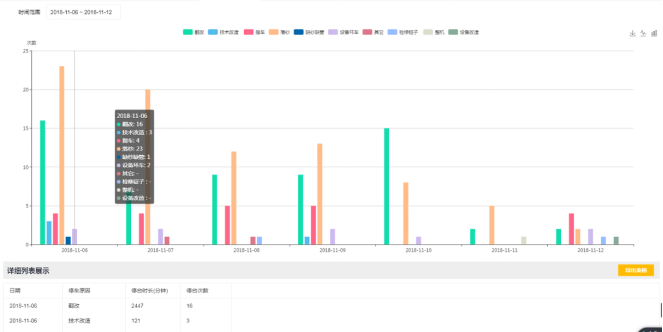
Implemented by Zhengzhou Tianqi Automation Systems Co., Ltd., the 150,000-spindle Digital and Intelligent Manufacturing System (HMES) at Anhui Huamao Mill No. 8 passed acceptance on May 15.Anhui Huamao Group executives, Mill No. 8 managers, the Network Information Center and the group's Process Department conducted the on-site acceptance review. Huamao's management spoke highly of our team's work.
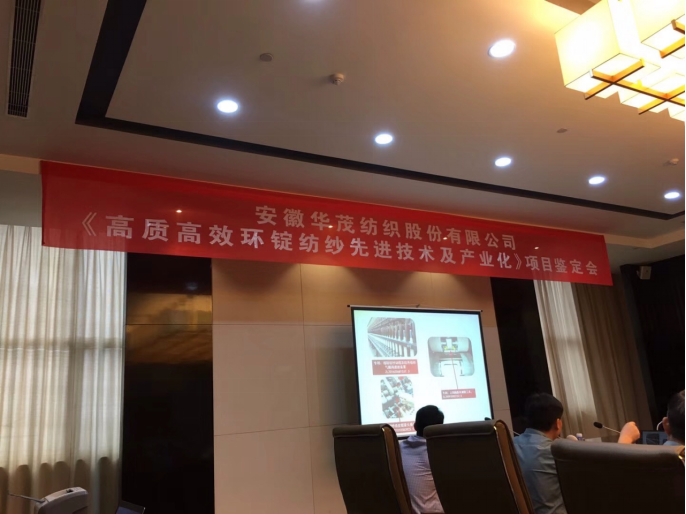
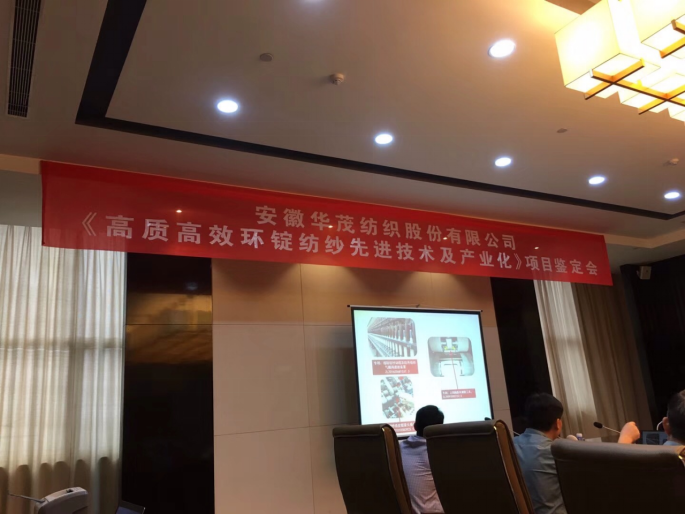
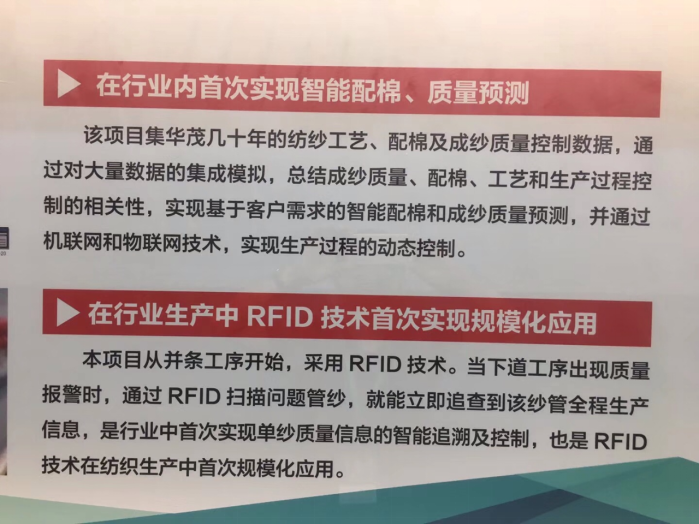
On May 17, ahead of Huamao Group's 60th anniversary, an appraisal meeting for its Advanced High-Quality, High-Efficiency Ring Spinning Technology and Industrialization project was held in Anqing. Nine experts, including Chinese Academy of Engineering academicians Sun Jinliang and Yu Jianyong, inspected the site, reviewed work, technical and novelty assessment reports, and questioned the team. They agreed that the project introduced an original process route and innovations in equipment performance, automation, digitalization and intelligent manufacturing. A self-developed MES with 60 functional modules integrates seamlessly with ERP, while RFID enables quality traceability from drawing and roving through ring spinning and winding. The 150,000-spindle intelligent line operates continuously at industrial scale. The panel concluded that the project had reached an internationally advanced level and recommended wider industry adoption.
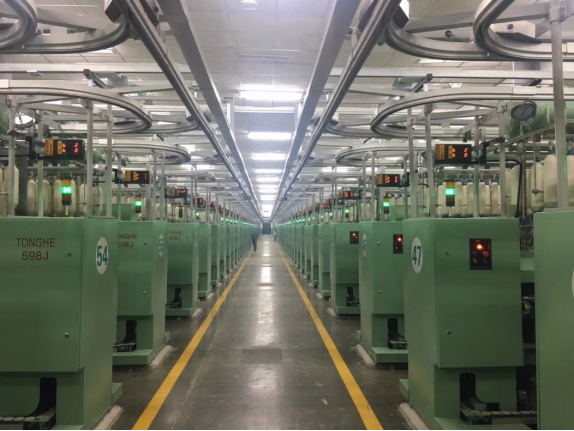
The Mill No. 8 project at Anhui Huamao Textile Co., Ltd., part of the Advanced High-Quality, High-Efficiency Ring Spinning Technology and Industrialization initiative, was the first national intelligent manufacturing demonstration pilot in the textile sector in 2017 and the largest intelligent spinning project in China at the time. The HMES is a vital part of this demonstration project, delivering technical innovations in automation, digitalization and intelligent manufacturing. Combining HMES with advanced spinning equipment has created an intelligent spinning factory operating at industrial scale.
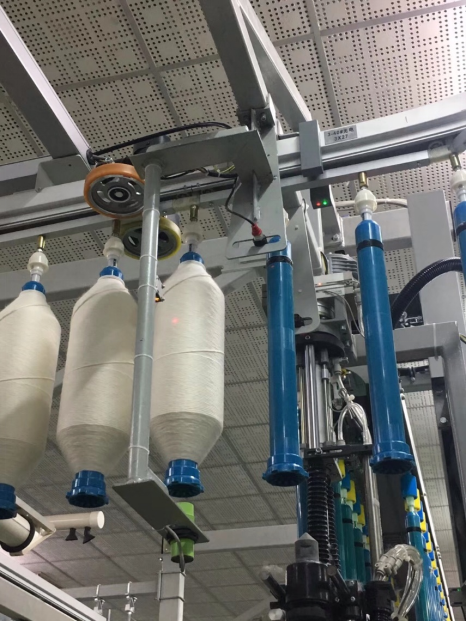
Zhengzhou Tianqi Automation Systems Co., Ltd. and Zhengzhou University of Light Industry won the HMES contract in July 2017. Work began with network conduit installation in early July, and software and hardware design, commissioning and trial operation were completed by March 1, 2018. The integrated management platform brings data from raw cotton, blowroom and carding, combing, drawing, roving, ring spinning, baling, auxiliary equipment, laboratories, yarn transport and cotton warehousing into a single monitoring center. Continuous real-time monitoring supports process optimization, production planning, order management, quality, maintenance and lean statistics through comprehensive intelligent data analysis. In addition, HMES integrates deeply and seamlessly with ERP, enabling data exchange across multiple systems. The project also developed RFID-based quality traceability and prediction from intermediate to finished products, delivering full-process quality monitoring and connected, digital and intelligent production.
During six months of cooperation, our team experienced Huamao's rigorous management, demanding standards and strong execution firsthand. Successfully completing the HMES project tested every team member and strengthened our research and technical capabilities.
Zhengzhou Tianqi will continue contributing to technological progress in digital and intelligent textile manufacturing.
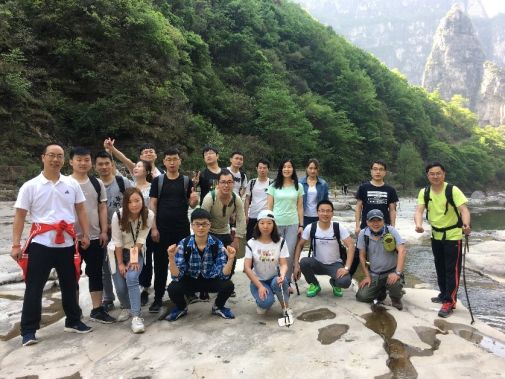
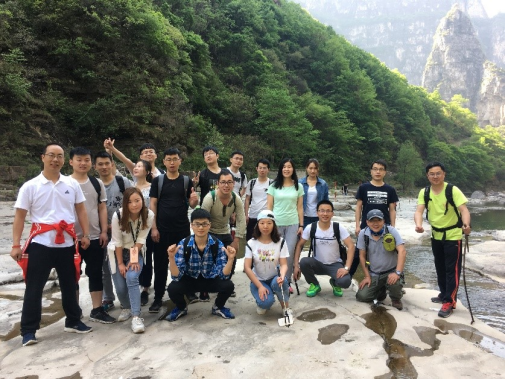
April is a wonderful time for a spring outing. On April 28, our team began a two-day trip to the Southern Taihang Mountains to explore the Baixing Ancient Trail and the Yew Grand Canyon. The trip offered a break from work, a chance to enjoy nature and an opportunity to renew our enthusiasm for work and life.
At 8:30 a.m., more than twenty of us set off from Zhengzhou, taking the Lianhuo and Zhengyun expressways to Yuntai Mountain. After the comfortable expressway journey, the Boping road became an adventure: built along the cliffs, it twisted through countless bends. As we climbed, the Southern Taihang scenery gradually unfolded, with towering cliffs around one bend and crystal-clear streams around the next. cliffs around one bend and crystal-clear streams around the next. We admired the scenery and marveled at nature's creations. Around noon, we reached a farmhouse in Shuangdi Village, Lingchuan County, Shanxi (the local character for Shuang combines the stone radical with shuang), our base for the spring outing.
Professor Wang introduced the history and environment of the Baixing Ancient Trail and Yew Grand Canyon, including recent changes. As this was a wilderness outing, he stressed hiking and climbing safety. At 2:00 p.m., we set out for the Baixing Ancient Trail and Mount Huangwei, including the trail's famous 72 bends. Learning its history made us appreciate not only the scenery but also the ingenuity of earlier generations. Ancient hoofprints in the stone and the rustling leaves invited us to pause and feel the weight of history.
After a short rest at the summit, we descended and followed Heimao Gorge downhill. Darkness comes early in the mountains, but a bright moon lit our way and revealed a different beauty in the valley.
We returned to our accommodation at 7:40 p.m., tired after almost six hours of hiking. After a short rest and a wash, it was time for the day's much-anticipated meal and drinks.
That evening was for celebration and conversation, with work set aside. Sitting in the farmhouse courtyard, we enjoyed the mountain breeze, wine and tea, and shared laughter late into the night. We stayed together until 1:00 a.m., reluctant to end the evening, before falling into a contented sleep.
On April 29, we hiked the Yew Grand Canyon. Its clear, cool river offered a different landscape from the previous day. Where water covered the path, we placed stepping stones and helped each other cross. The route was relatively easy, leaving time to relax and play. Some colleagues even took off their shoes and stepped into the stream to experience the refreshing chill of the mountain spring.
The outing let us enjoy beautiful scenery, relax and relieve everyday stress. It also encouraged us to challenge ourselves and work together. We believe everyone will return to work with renewed energy and contribute to the team's continued development.
In this beautiful spring, we set sail again, proud of our youth, proud of our team and proud to be part of Zhengzhou Tianqi!

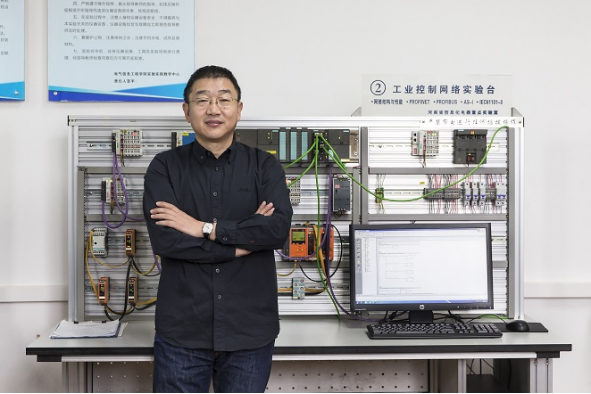
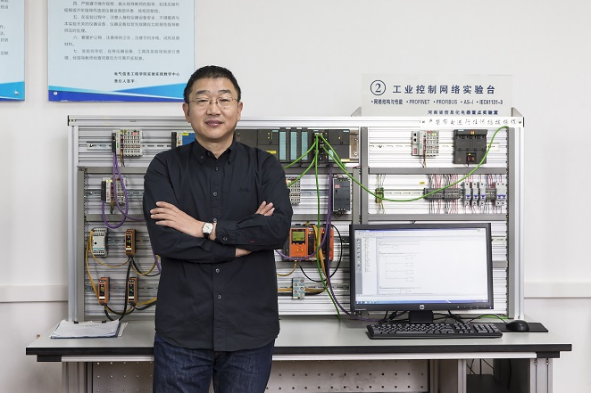
The General Office of the Organization Department of the CPC Central Committee recently announced the third group selected for the National Ten Thousand Talents Program. The list covers five talent categories across two levels, including 195 distinguished teachers. Seven teachers from Henan were selected: one from Zhengzhou University, two from Henan University, one from Zhengzhou University of Light Industry, and others from newly upgraded undergraduate and vocational institutions. Professor Wang Yonghua's selection marked the university's first national-level distinguished teaching honor.
The National Ten Thousand Talents Program is a long-term initiative supporting high-level talent across many disciplines and departments. Jointly launched by 11 ministries and agencies, including the Organization Department, Ministry of Science and Technology and Ministry of Education, it supports outstanding talent, leading talent and exceptional young talent in natural sciences, engineering, philosophy and social sciences. Its aim is to develop innovative and entrepreneurial leaders for an innovation-driven nation. Distinguished teachers belong to the leading talent category, an honor above the national distinguished teacher award.
The university has consistently invested in its teaching staff, strengthening professional standards and teaching capabilities to support undergraduate education. Distinguished teachers such as Professor Wang Yonghua have led teaching reform, remained active in the classroom and combined rigorous scholarship with a commitment to students. Younger teachers continue studying educational methods and specialist knowledge, following developments in their fields and bringing research into teaching. This culture of inquiry and innovation has improved overall teaching quality and built a team guided by strong convictions, professional ethics, expertise and care for students, raising the standard of education and talent development.
Appendix: Profile of Professor Wang Yonghua
Wang Yonghua, born in September 1963, is a second-grade professor and master's supervisor. He is a National Ten Thousand Talents Program Distinguished Teacher and one of Zhengzhou's first science and technology leaders. He heads the China PROFIBUS/PROFINET Technology Training Center and China IEC 61131-3 Training Center, and serves on SAC/TC124 SC4, the China PROFIBUS Association (CPA) and PLCopen China. Over the past decade, he has completed more than 50 research projects, won five awards at provincial or ministerial level or above, published over 40 papers and authored five textbooks. Modern Electrical Control and PLC Applications is used by more than 400 institutions, and Fieldbus Technology and Applications by over 80. He established a PLC laboratory in 1999, an industrial control network laboratory in 2005, the Henan University Engineering Technology Research Center for Industrial Networks in 2010, and the Zhengzhou Engineering Technology Research Center for Industrial Control Networks in 2011. He also founded China's first PROFIBUS/PROFINET Technology Training Center and IEC 61131-3 Training Center in 2007.
In teaching, Professor Wang has led sustained, comprehensive reform of his courses for nearly 30 years, with clear results. He received the provincial Distinguished Teacher Award in 2007 and the provincial Higher Education Teaching Achievement Grand Prize, ranked first, in 2009. He has led provincial quality courses, shared resource courses and open online courses. His course structures, textbooks, electronic materials and innovative Simple Design Method and Integrated Knowledge Teaching through a Common Example have been widely adopted by universities across China, helping guide curriculum development and earning broad academic recognition.
In research, Professor Wang led the development of China's first and largest digital and intelligent textile production system and promoted its widespread adoption. The work won a provincial or ministerial first prize for science and technology progress. His team remains a domestic leader in the field, with notable achievements in technology transfer and university-industry collaboration and a broad industry influence.